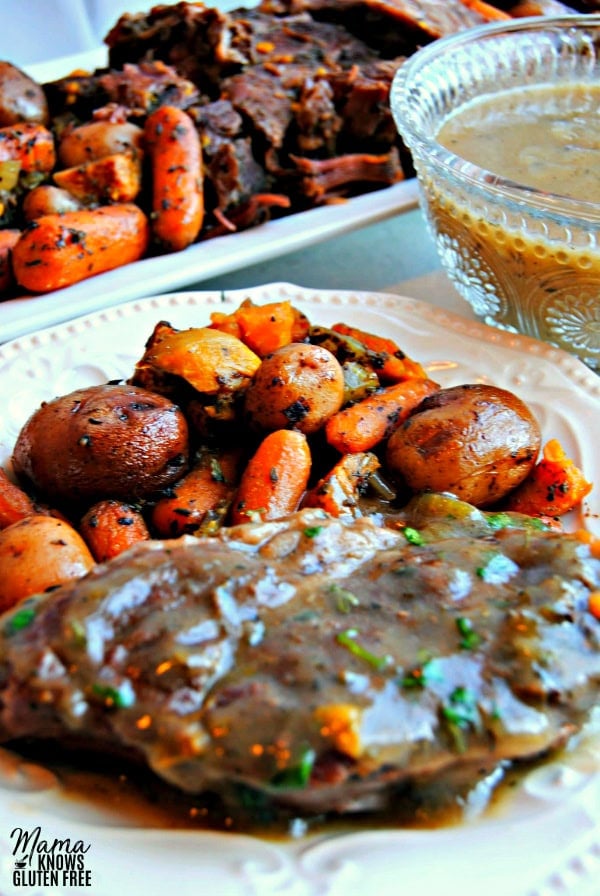
Mastering Pot Roast: The Real Deal for Tender, Flavorful Beef
There are certain culinary achievements that define comfort food, and a perfectly executed pot roast sits proudly at the top of that list. More than just a meal, it’s an experience – a rich aroma filling your home, the promise of incredibly tender meat, and a hearty dish that nourishes body and soul. For many home cooks, finding that "real deal" pot roast recipe can feel like a quest, involving a few (or many) less-than-perfect attempts. But fear not, the journey to mastering a succulent, fall-apart pot roast is within reach, transforming humble ingredients into a culinary masterpiece that truly delivers on flavor and tenderness.
The Foundation of Flavor: Selecting the Right Cut
The secret to a truly outstanding pot roast begins with the beef itself. While various cuts can be braised, the undisputed champion for pot roast is a chuck roast. Here's why:
- Marbling: Chuck roast, sourced from the shoulder of the cow, is generously marbled with connective tissue and fat. During the slow cooking process, this tissue breaks down into gelatin, infusing the meat with moisture and a luscious, melt-in-your-mouth texture that leaner cuts simply can't achieve.
- Flavor Profile: Its inherent richness and beefy flavor are amplified through long braising, creating a deep, savory base for the entire dish.
- Cost-Effective: Often more affordable than premium steaks, chuck roast offers incredible value, transforming into a luxurious meal without breaking the bank.
When selecting your chuck roast, look for a piece with good marbling throughout, indicating a higher potential for tenderness and flavor. Aim for a cut around 3-5 pounds to feed a family and ensure plenty for potential leftovers.
Crafting the Culinary Canvas: The Braising Process
Mastering the pot roast is less about a single step and more about a symphony of techniques that build layers of flavor. Each stage contributes to the final, unforgettable result.
Step 1: The All-Important Sear
Before any liquid touches the pan, sear your chuck roast on all sides until it develops a deep, rich brown crust. This isn't just for aesthetics; it's a critical flavor-building step known as the Maillard reaction, which creates complex, savory notes that form the backbone of your pot roast. Use a heavy-bottomed pot or Dutch oven, and don't overcrowd it – sear in batches if necessary to ensure even browning.
Step 2: Building Aromatics and Depth
Once the beef is seared, remove it briefly and sauté your aromatics. Classic choices include onions, carrots, and celery, which soften and release their sweet, earthy flavors into the pan. Minced garlic adds a pungent depth that is indispensable. Many recipes also call for a tablespoon or two of tomato paste, which offers a concentrated umami punch and helps to thicken the braising liquid slightly.
Step 3: The Braising Liquid: The Elixir of Tenderness
This is where the magic truly begins. The braising liquid not only keeps the meat moist but also infuses it with flavor as it slowly cooks. A robust combination often includes:
- Beef broth or stock: The primary liquid, providing a rich, savory foundation.
- Red wine: A splash of dry red wine (like Cabernet Sauvignon or Merlot) adds acidity and complex tannins that tenderize the meat and deepen the flavor profile.
- Worcestershire sauce: A secret weapon for umami, adding a subtle tang and savory depth.
- Fresh herbs: Sprigs of rosemary and thyme, along with a few bay leaves, impart an aromatic essence that elevates the entire dish.
Ensure the liquid comes about halfway to two-thirds up the sides of the roast, but doesn't fully submerge it. This allows the top of the roast to caramelize slightly while the bottom braises.
Step 4: The Long, Slow Cook
Whether you choose an oven, slow cooker, or Instant Pot, the principle remains the same: low and slow. This extended cooking time (typically 3-4 hours in the oven, 6-8 hours in a slow cooker, or about 1.5-2 hours under pressure in an Instant Pot) is crucial for breaking down the tough connective tissues in the chuck roast. The result is meat so tender it can be pulled apart with a fork, truly fall-off-the-bone perfection.
- Oven Braising: Provides even heat and excellent caramelization. Cover tightly and cook at 300-325°F (150-160°C).
- Slow Cooker: Ideal for busy days, allowing you to set it and forget it. Cook on low for extended periods.
- Instant Pot: Offers a significantly faster cooking time while still achieving impressive tenderness, making it a great option for weeknights.
For the last hour or so of cooking, you can add additional root vegetables like chunky potato pieces or parsnips directly into the braising liquid, allowing them to soften and absorb the delicious flavors.
The Golden Elixir: Crafting the Perfect Gravy
No pot roast is complete without its accompanying gravy, born directly from the flavorful braising liquid. Once the roast is done and rested, strain the liquid, discarding the solids (unless you prefer to keep the cooked vegetables in the gravy). Skim off any excess fat. You can then thicken the gravy on the stovetop:
- Flour or Cornstarch Slurry: Whisk together a tablespoon of flour or cornstarch with an equal amount of cold water or broth until smooth. Whisk this mixture into the simmering braising liquid and cook, stirring constantly, until it thickens to your desired consistency.
- Natural Reduction: For a lighter, yet still flavorful gravy, simply reduce the liquid by simmering it until it reaches your preferred thickness.
Season the gravy to taste with salt and pepper, adjusting as needed. This rich, savory sauce is essential for spooning generously over the meat and any accompanying sides.
Beyond the First Feast: The Magic of Leftovers
One of the most glorious aspects of a masterful pot roast is its incredible versatility as leftovers. A well-prepared pot roast yields a generous amount of tender, flavorful beef, along with its rich gravy and often some perfectly cooked vegetables. Far from being a repetitive meal, these remaining portions are a golden opportunity for culinary creativity and significant food waste reduction. By reimagining the original dish, you can enjoy distinct, exciting meals for days to come, preventing uneaten portions from being discarded and maximizing the value of your ingredients.
The key to repurposing is often to shred or chop the beef, breaking it down into smaller, manageable pieces that seamlessly integrate into new preparations. This masks any sense of "leftovers" and allows the meat to take on new characters with fresh seasonings and complementary ingredients. Here are just a few ideas to transform your leftover pot roast:
- Sandwich Sensations:
- French Dip: Slice the beef thin, pile it on a crusty baguette, and serve with a side of warm au jus (leftover gravy works perfectly!).
- Philly Cheesesteak-Style: Shredded beef, caramelized onions, and melted provolone or cheez whiz on a hoagie roll.
- Sliders: Mini buns with shredded beef, Swiss cheese, and a dollop of horseradish sauce or quick pickled onions.
- Mexican-Inspired Marvels:
- Tacos, Burritos, or Quesadillas: Season the shredded beef with taco spices, chipotle, or a touch of barbecue sauce. Serve with your favorite toppings like salsa, guacamole, and sour cream.
- Nachos or Enchiladas: Layer beef over tortilla chips with cheese and beans for nachos, or roll into tortillas with sauce and bake for enchiladas.
- Hearty Baked Dishes:
- Shepherd's Pie or Pot Pie: Combine the shredded beef, gravy, and leftover vegetables (or fresh ones) in a baking dish. Top with mashed potatoes for Shepherd's Pie, or a pastry crust for a hearty Pot Pie.
- Casseroles: Mix with pasta, cream of mushroom soup, and cheese for a comforting baked casserole.
- Breakfast & Brunch Boosts:
- Hash: Dice the beef with potatoes, onions, and peppers, then pan-fry until crispy. Top with a fried egg.
- Frittata: Incorporate chopped beef and vegetables into an egg mixture for a savory and satisfying frittata.
- Soups, Stews & Pasta:
- Enriched Stew or Soup: Add the beef to a simmering broth with additional vegetables, noodles, or beans for a quick, comforting meal.
- Ragu or Stroganoff: Shredded beef forms an incredible base for a rich pasta ragu or a creamy stroganoff served over egg noodles.
The beauty of these transformations lies in their efficiency; the leftover gravy and vegetables often enhance the flavor without requiring extensive additional ingredients. To delve deeper into maximizing your leftovers and making every morsel count, explore Repurpose Leftover Pot Roast: Creative Meals & Food Waste Reduction and discover even more inspiring ideas in From Sandwiches to Tacos: Diverse Meals for Your Leftover Pot Roast.
Practical Tips for Pot Roast Perfection
- Don't Rush the Sear: This step is non-negotiable for deep flavor.
- Deglaze the Pan: After searing and sautéing aromatics, use a splash of wine or broth to scrape up any browned bits from the bottom of the pot; these are flavor gold.
- Taste and Adjust: Season your braising liquid and gravy generously. Don't be afraid to adjust salt, pepper, and herbs.
- Rest the Meat: After cooking, let the roast rest for at least 15-20 minutes before shredding or slicing. This allows the juices to redistribute, ensuring maximum tenderness.
- Monitor Liquid Levels: If cooking for an extended period, occasionally check that there's enough liquid to keep the meat moist.
Conclusion
Mastering pot roast is a rewarding culinary journey that culminates in a dish of unparalleled tenderness and flavor. By understanding the importance of the right cut, patiently building layers of aromatics and liquids, and embracing the slow-cooking process, you can achieve that elusive "real deal" pot roast. And when the initial feast is over, the adventure continues with endless possibilities for creative and delicious leftover meals, proving that a truly great pot roast keeps on giving. Embrace the process, savor the aromas, and enjoy the profound satisfaction of serving a dish that truly embodies comfort and culinary excellence.
